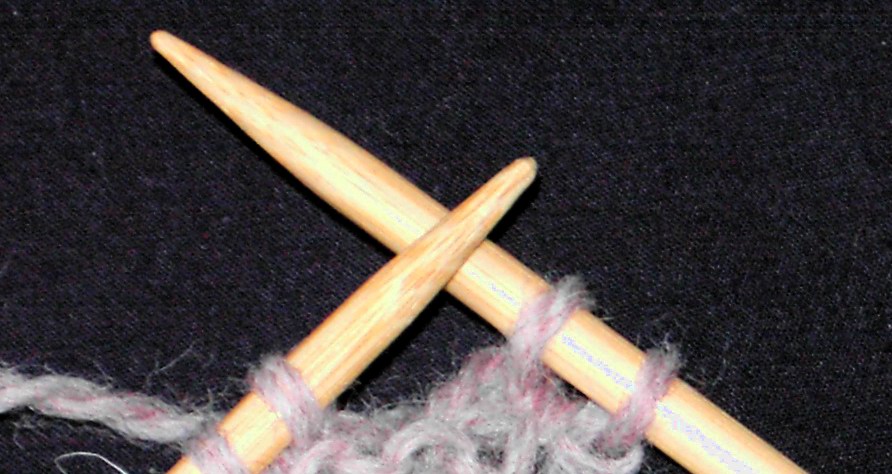
Chapter fourteen: Desperate to escape her old life, Aster decides to join her husband on Mayne Island.
photo by ldyck
Chapter fifteen
Aster
took her worried self onto the ferry to a blue vinyl bench. Did it overlook the ocean? Her mind was too full to care. Had she
remembered
her sunglasses? Had she brought her chequebook? She opened her
oversized patent leather purse and examined the contents. She didn’t
trust her eyes. She had to touch everything—wallet and debit card and credit card and driver's license and SIN card and library card and... Handling her possessions brought her
a small degree of comfort. Was
her skirt creased? She had to look her best. She stood and ran a hand
down her skirt, smoothing it.
How
would she retrieve her luggage? Was it safe? Did they ask for ID
before relinquishing the luggage? What was stopping someone else from
stealing her luggage? Or from planting something in it—drugs or a bomb? She
could carry a bomb onto the island and not even know it. What would
happen then? Would they put her in jail? What if she got off at the
wrong island? How would she get back to Mayne Island? No one knew her on any of those other islands. She could be kidnapped,
raped, and left for dead. Oh, she had to stop thinking like that. She
was driving herself insane. She should talk to the chief steward. She
was so nice, so calming.
The
top half of the Dutch door was open; Aster peered in.
The
chief steward was hunched over some paperwork, but she looked up.
“I
have a few questions that I know you won’t mind answering because
as you’ve pointed out the previous times, serving your customers is
your number one concern. Now, you’ve assured me that everything
will be fine but...”
When
Aster finished speaking, the chief steward looked at her
with soft eyes. “I assure you, you will arrive safe and sound on
Mayne Island. We will dock, and you will know we have docked because
we will announce that we have docked. Your luggage is safe. It is in
the van. It can remain there until we dock. Of course, you may obtain
it at any time during your voyage, if you wish. However, I assure you
it is safe. If you choose to leave your luggage with us, a crew
member will be happy to assist you to obtain it when we dock. The
cafeteria and gift shop are open. May I suggest that you spend some time there? I hope you have a pleasant voyage.”
Aster
returned to her bench feeling lighter with the peace of mind gained from sharing concerns with someone who cared.
She
imagined Kenneth James waiting at the dock, shifting his weight from
one foot to the other. Upon seeing her, his body would sing with joy. He would run to her with open arms, wanting, demanding a hug. His behaviour would embarrass Aster, but unable to deny him, they would hug. Kenneth
James would
declare his love for her—loud enough for others to hear. “I love
you,” he would
say.
Aster
would
whisper, “I love you too.”
But,
of course, they would
wait until they reached his truck to kiss. He would
drive her to a small yellow house with white trim. Flower
beds rich with colour. The sea. A porch swing—her knitting haven. She wouldn't be alone. Others wishing to learn would
find her there.
Continuing
to teach willing students, the wish was there, but it cut too deep. It
cut her heart. She had to let it go. It cost too much to claim.
Fifteen minutes later a disembodied voice filled the ferry, “This is Mayne Island transfer point for...”
Mayne Island—those words were like a firing pistol to Aster. She grabbed her purse and, on unsteady feet, raced to the stairs. She descended—slowly and carefully so as not to fall. She led a long line of passengers. All were eager to reach the car deck.
***
Row after row of vehicles, and finally, there was the van. Surprisingly, there was no one there to help her. No matter, Aster tugged on the back door, and it opened. Inside luggage was everywhere.
“This would be so much easier if things were properly organized,” Aster muttered under her breath. “People. No one even took the time to tag their bags.” She heard car doors close. “I need to hurry.” She tossed suitcases out of the van.
Someone giggled. Aster turned around and discovered that she had attracted an audience—a man, a woman, and a few children.
The woman nudged the man, and he spoke up, “Can I help you?”
“No, I’m fine.” He didn’t wear a uniform or anything that identified him as a BC Ferries worker, and she certainly wouldn’t accept help from a complete stranger. Maybe he was in a hurry, but so was she. And he could simply wait his turn. “I’ll find my suitcases. I tagged them."
“Why would your suitcases be in our van?” The woman asked.
Aster heaved a large suitcase out of the van. “This. Is. The BC Ferries van.”
“Hmm. No, it’s not.” The man’s voice wavered like he was trying to contain a laugh. “The BC Ferries van is at the front of the ferry.”
The next piece of luggage Aster evicted from the van was a long orange duffel.
“Hey, that’s my pup tent!” One of the children, a preteen boy, tore the bag out of Aster’s hand.
“Young man, that’s not the way a young gentleman should conduct himself.”
“Look.” The woman squared her shoulders and barked at Aster. “Stop pawing through our stuff. The front of the ferry is that way.” She pointed with her entire arm at the other end of the ferry.
Bow doors slowly opened to a blue sea and a distant island. Aster made her way to the van. She tugged on the side door, but it didn’t budge.
“Hey, stop pulling on that handle,” a man in a beige uniform scolded. “You’ll dislocate your shoulder. The door’s locked. I’ll open it once I find that darn key.” He darted from one side of the ferry to the other, searching and searching until. The key was found. The van was unlocked, and Aster easily located her three trunk-sized suitcases.

Aster takes her worried self to the ferry and sails to Mayne Island.
Author Readings on Mayne Island, BC
April 30 at 1 PM
Agricultural Society Hall on Mayne Island
National Geographic Explorer and author Erica Gies reads (University of Chicago Press)
photo by ldyck
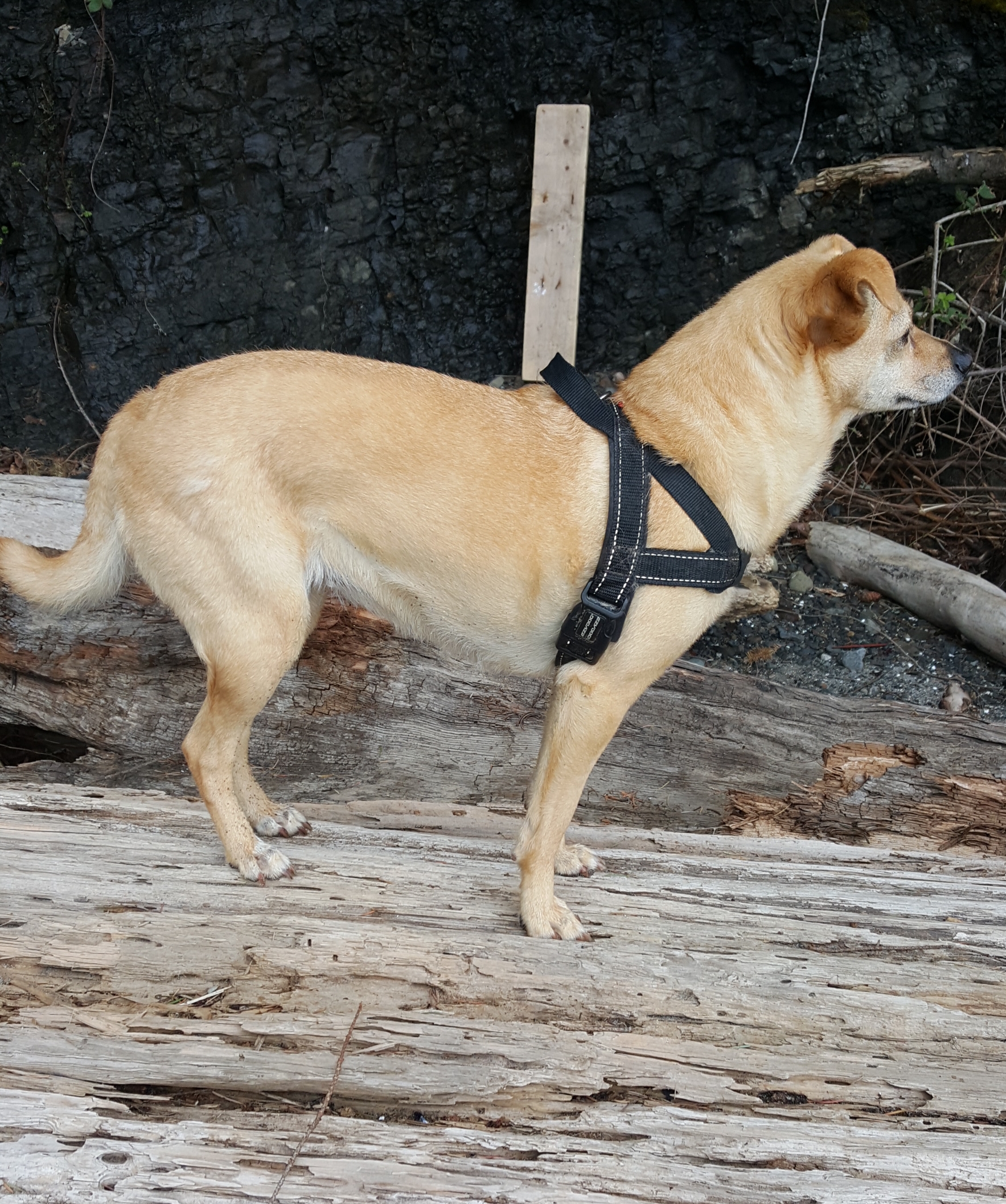
About the photo: Abby noticed that I had a camera in my hands so she decided to pose for me. Eat your heart out show dogs.
Thoughts...
As a child, I was educated to believe that the challenges I faced were due to my dyslexia--my disability. This had the effect of silencing and diminishing me. And it made it hard for